What's
really in
your food?
A small, honest guide to reading food labels and choosing better
How to actually
read a food label
Most of us buy food by the front of the packet — the pretty picture, the brand, the promises.
But the real story is always on the back.
Once you know what to look at, it takes about ten seconds.
Here's a simple checklist you can use on almost anything you buy.
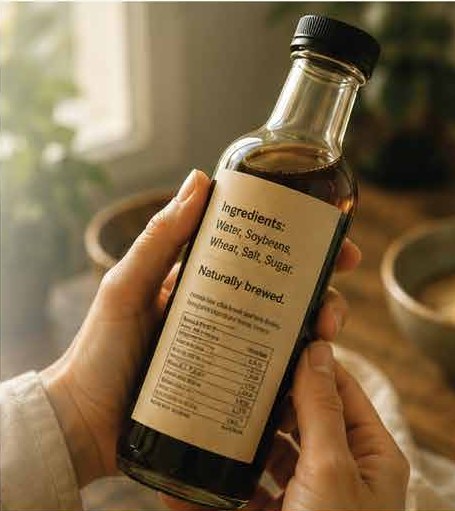
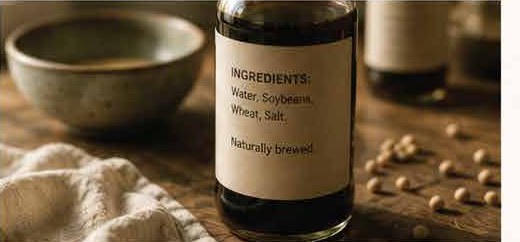
Read the ingredients first, not the nutrition panel.
Ingredients are listed by weight, from most to least. So whatever's first is what you're mostly eating.
If sugar, refined oils, or something you can't pronounce is in the top three — that's worth noticing.
Ask: is this real, or is this made to seem real?
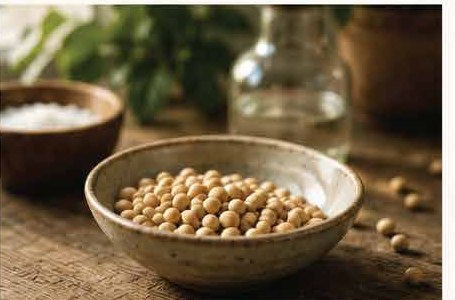
Real usually looks like: whole foods, plants, grains, minerals, salt, water — things that existed before factories did.
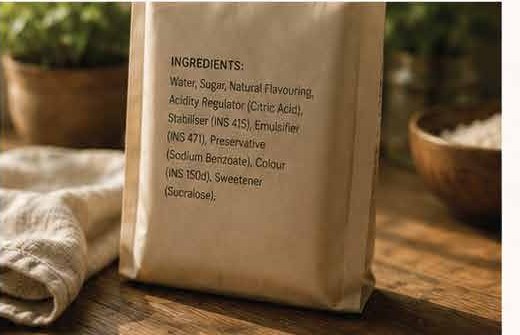
Artificial usually looks like: numbers (E100s, E200s, E600s), long chemical names, or ingredients ending in "-ate," "-ide," or "-ose."
Not all additives are harmful — some are safe preservatives. But if a "natural" product has a long list of them, the word "natural" might just be marketing.
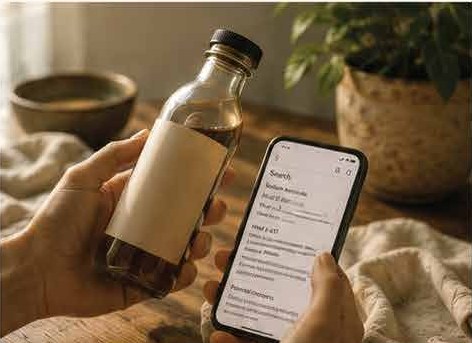
If you can't pronounce it, look it up (or skip it).
If an ingredient sounds like it belongs in a chemistry class, take a moment to search what it is.
You don't need to avoid every one — just know what you're eating. Curiosity is your best filter.
Watch out for these common label tricks.
- •"No added sugar" — often means fruit juice concentrate or hidden sweeteners are used instead
- •"Natural flavouring" — a legal term that can still mean lab-made
- •"Low fat" — often replaced with more sugar or thickeners to keep the taste
- •"Multigrain" — doesn't always mean wholegrain; check the ingredients
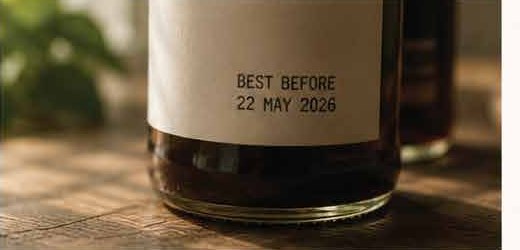
Check the expiry date — and how far away it is.
Fresh, minimally processed food usually has a shorter shelf life.
If a product is designed to sit on a shelf for years, ask yourself why. It's not always bad — but a very long expiry often means preservatives are doing heavy work.
Shorter lists usually win.
There's no rule that says a good food must have three ingredients.
But in general — the shorter and simpler the list, the closer it is to real food.
If a product has 20+ ingredients, most of them are usually there to make cheap food taste, look, or last better.
Three simple ways
to start this week
You don't need to overhaul your kitchen.
Just one small change is easier to keep than ten big ones.
Pick whichever of these fits your rhythm.
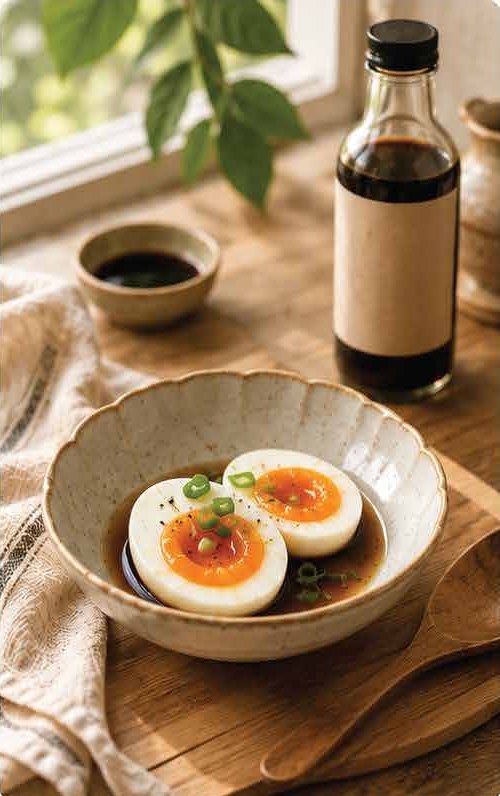
The 5-minute breakfast
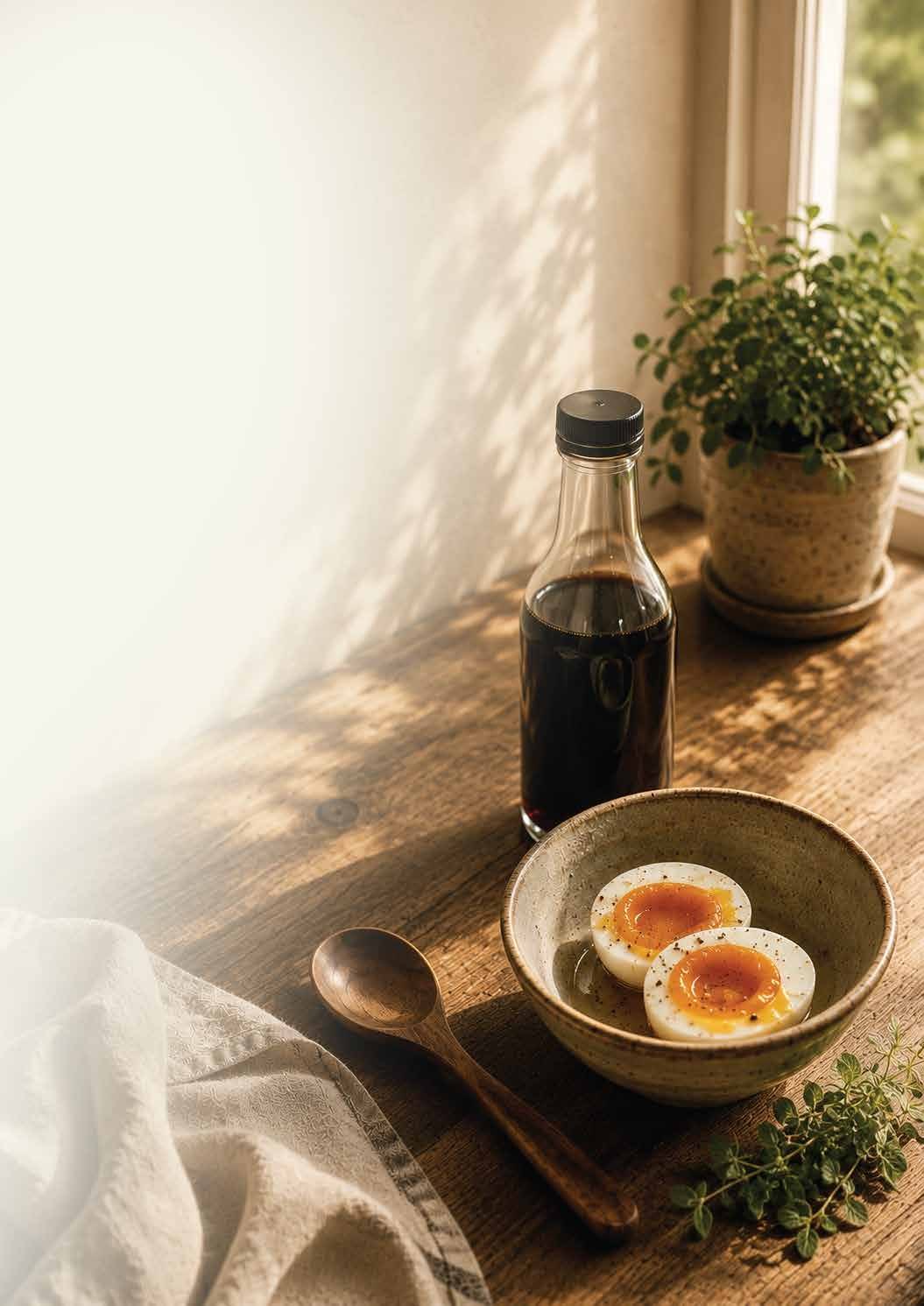
Two half-boiled eggs, a dash of naturally brewed soy sauce, a little white pepper. Simple, warm, and a gentle way to start the day.
The one-swap rule
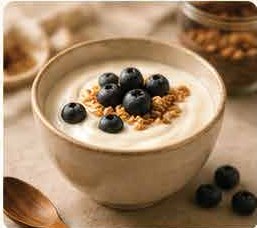
Don't change everything at once. Just swap one thing — your everyday soy sauce for a naturally brewed one, or your afternoon snack for a spoon of yogurt.
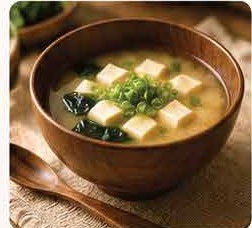
The weekend soup
A warm bowl of miso soup on a slow weekend morning. Add tofu, seaweed, spring onion. It takes five minutes and feels like a small act of care for yourself.
Good health isn't built in a day. It's built in the small, everyday choices — one meal at a time.
Thank you for reading
If this was useful, feel free to forward it to someone who'd appreciate it. And if you ever want to chat about fermented foods — just reply to the email that brought you here.
We're a real family behind this brand, and we read every message.
Warmly,
The Bio Tree Family ♥
Reading labels isn't about being paranoid. It's about being informed.
When you know what's in your food, you can decide for yourself — and that quiet act of paying attention is one of the kindest things you can do for your family.